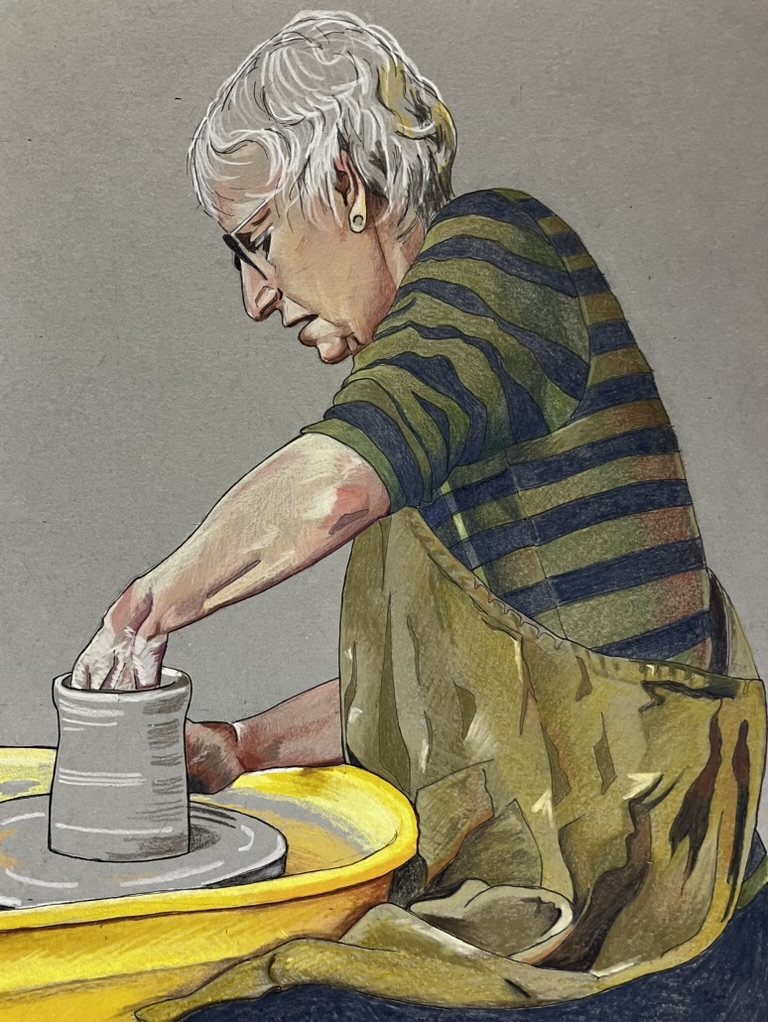
A4 ink and coloured pencil on grey paper. The first in my series of portraits of breast cancer survivors. Read on to learn about Anne’s story.
In June 2007, Anne was diagnosed with multifocal (T3) node positive, hormone positive invasive ductal carcinoma of the right breast. She received treatment of neoadjuuvant FEC (5-fluorouracil, epirubicin, cyclophosphamide) and Docetaxel, followed by a lumpectomy and level 3 axillary node clearance, which led to a complete right mastectomy, followed by radiotherapy. Adjuvant treatment consisted of tamoxifen together with goserelin, followed by anastrozole and then letrozole, then examestane. Anne chose reconstruction once treatment was over.
Were you given a prognosis, or recurrence indicator?
I discussed at length with my oncologist but I don’t think I was ever given a formal number. The conversations were caveated with ‘you are an individual, and these are statistics’.
Were you happy with your treatment?
I was happy with what I received. I was less happy with what I didn’t receive. I felt very lost and alone and ill equipped to heal myself. I found the handing over of my life to busy, superb professionals diminishing. I wanted to help myself as best I could but couldn’t found out how best to do so.
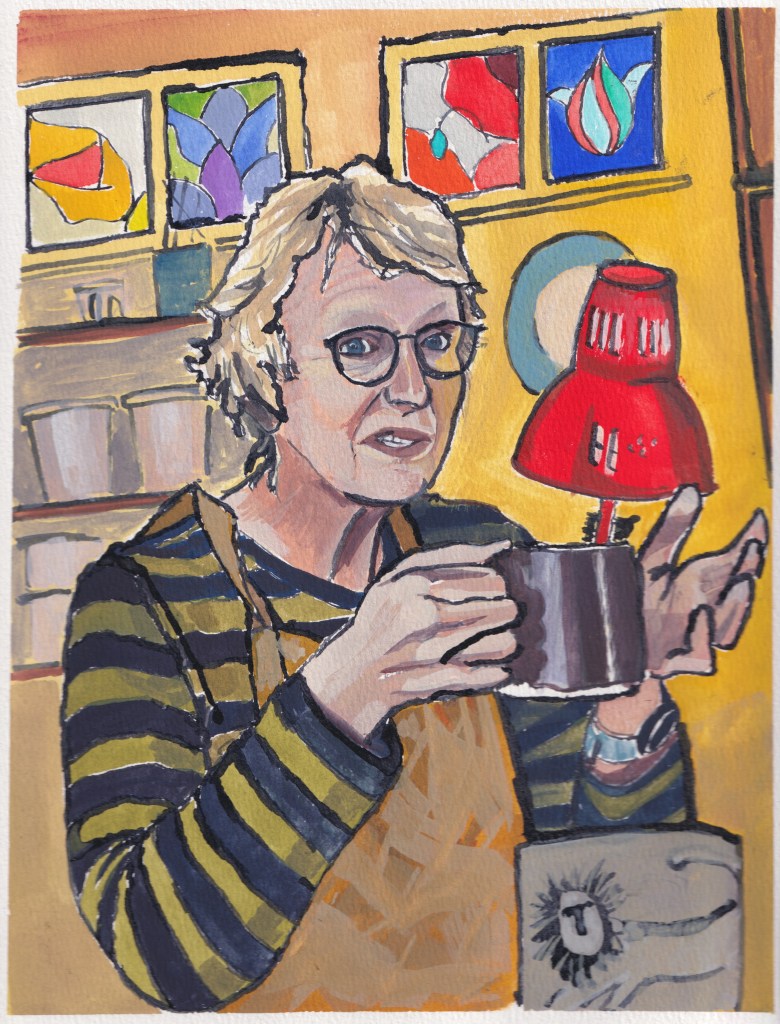
Why do you think cancer happened to you?
I think it was the luck of the draw. I don’t think I did anything particularly to contribute to my getting cancer. There was perhaps a genetic component. My paternal grandmother died with breast cancer when I was a toddler. Genetic screening at Guys didn’t reveal any known genetic markers. My mother died in 2006 from Inflammatory breast cancer, having been diagnosed about 3 years previously.
Did you explore any other healing or wellness options beyond medical treatment?
I didn’t. I was suspicious of going down the woo woo line and wanted science not flim flam.
What was your life like before diagnosis?
I was an active, healthy mother of three young children. The eldest was 14, and youngest 10. We lived in a small village in a house filled with laughter, dogs, cats and young family chaos. I worked for the National Trust 3 days a week and was Chair of Governors at the local Primary School. I was a cub leader too and thoroughly enjoying life.
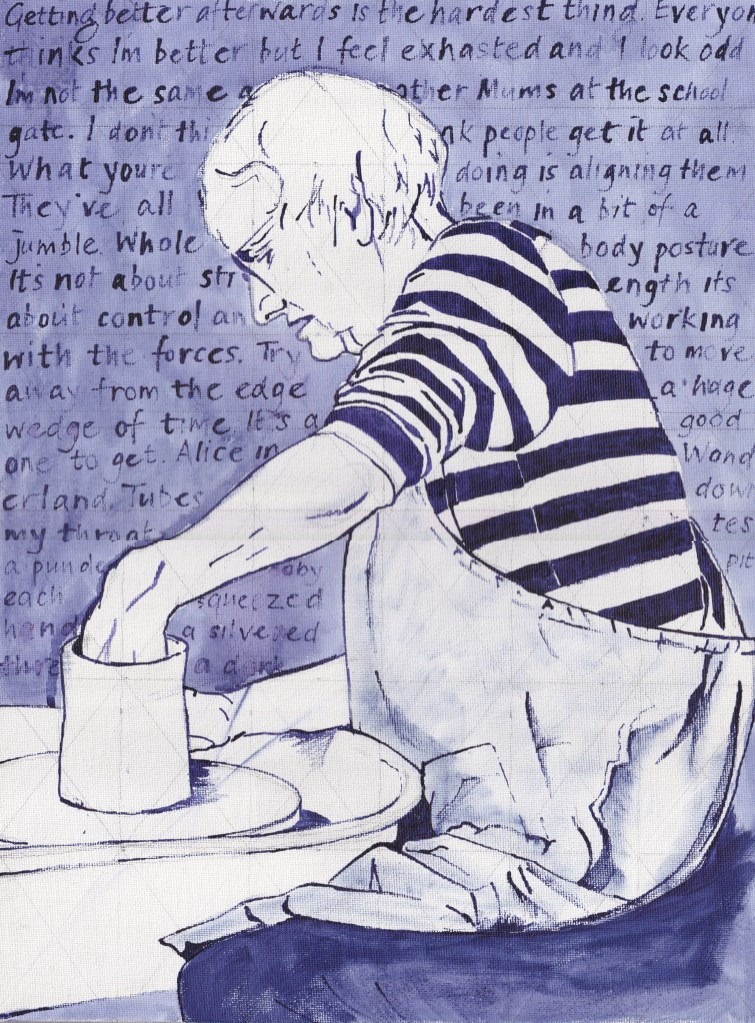
How did your life change following diagnosis?
I lost purpose. I lost myself. I felt different to other young parents. I think the long tail of cancer treatment really affected me. I had very reduced mobility for a number of years because of an autoimmune arthritic condition triggered by chemotherapy. It felt like I would never quite get better.
What have you learned?
I have learnt that life has ‘life shocks’ as well as the good times. They are both part of life and that whilst we shouldn’t be waiting for the bad times we can live through them and survive well. I have learnt to enjoy the small things more. Life is in many ways about the small parts of life rather than the grand highlights. I have tried to be more open to new experiences and ‘having a go’. I have also learnt that no one else lives your life and no one else really cares about the small stuff that happens to us all- the bad hair day, the extra bit of weight, and so on. I have tried to be kinder and love more. Some of this may well be the consequence of getting older!
What got you through?
‘This too shall pass’ got me through many an appointment, treatment and long day.
 Dawn Waldron Art